
Herbal Remedies for Common Ailments: A Guide to Medicinal Herbs
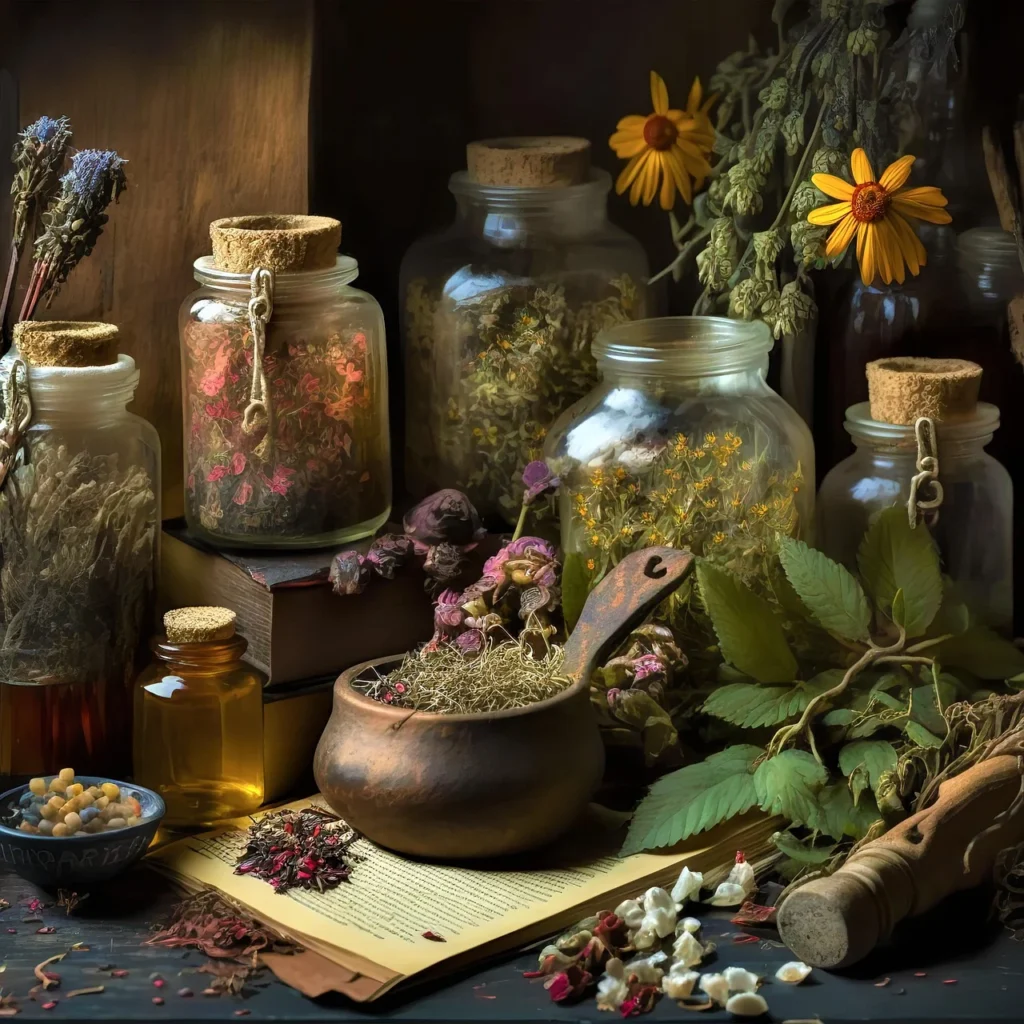
For thousands of years, long before modern pharmacies, people turned to the natural world for healing. The knowledge of how to use plants to soothe a cough, ease an upset stomach, or calm a racing mind was passed down through generations. Today, this ancient wisdom is being validated by modern science. The most powerful medicinal herbs aren’t a secret—they are a time-tested and evidence-backed resource available to us all.
This guide will not only introduce you to some of the most effective herbal remedies for common ailments but will also provide the scientific context behind their proven benefits. We’ll explore which herbs work, why they work, and how you can safely incorporate them into your life. The world of plants holds incredible potential for supporting your well-being, but it is a world that must be approached with knowledge and respect.
Disclaimer: Always consult with a qualified healthcare professional before beginning any new herbal treatment, especially if you are pregnant, nursing, have a pre-existing medical condition, or are taking other medications.
Soothing the Digestive System
Digestive issues are some of the most common complaints, from indigestion and bloating to nausea and cramps. Herbal remedies can offer gentle yet effective relief by calming the digestive tract and supporting its natural rhythm.
Peppermint (Mentha piperita)
Common Use: Peppermint is a staple for a reason. It is widely used to relieve gas, bloating, indigestion, and irritable bowel syndrome (IBS) symptoms. A warm cup of peppermint tea is a go-to remedy after a heavy meal.
Scientific Backing: The primary active compound in peppermint is menthol. Research shows that menthol has antispasmodic properties, meaning it can relax the smooth muscles of the digestive tract. This relaxation helps to reduce spasms and cramps, allowing gas to pass more easily and alleviating feelings of discomfort. Studies have confirmed its effectiveness in calming the gut and improving the symptoms of functional dyspepsia (chronic indigestion).
How to Use: Peppermint is most commonly used as a tea made from fresh or dried leaves. You can also find it in capsules, which are often coated to release the oil in the intestines, making them particularly effective for IBS.
Ginger (Zingiber officinale)
Common Use: Ginger is an ancient remedy renowned for its ability to combat nausea and vomiting. It’s a go-to for motion sickness, morning sickness, and post-operative nausea.
Scientific Backing: The active compounds in ginger are gingerols and shogaols, which are responsible for its pungent flavor and medicinal properties. These compounds are believed to act on serotonin receptors in the gut and brainstem, which are involved in the regulation of nausea. Ginger has also been shown to have a prokinetic effect, meaning it can help move food through the digestive tract more efficiently, which can relieve feelings of fullness and indigestion.
How to Use: Ginger can be consumed as a tea (from fresh root), in crystallized form, or in capsules. For motion sickness, it is often recommended to take ginger capsules 30 minutes before a journey.
Calming the Mind and Promoting Sleep
The modern world can be stressful, making it difficult to unwind and get the rest we need. Certain herbs can act as natural sedatives, helping to calm the nervous system and prepare the body for a restful night.
Chamomile (Matricaria recutita)
Common Use: Chamomile is perhaps the most famous bedtime herb, used for centuries to soothe anxiety and promote relaxation and sleep.
Scientific Backing: The calming effect of chamomile is largely attributed to an antioxidant called apigenin. This compound binds to specific receptors in the brain that help to reduce anxiety and initiate sleep. In essence, it acts as a mild tranquilizer, helping to calm the nervous system without the side effects of conventional sedatives.
How to Use: The most common form is a tea made from the dried flowers. For a stronger effect, you can create a concentrated infusion by steeping the flowers for a longer period.
Valerian Root (Valeriana officinalis)
Common Use: Valerian root is a powerful herbal remedy used specifically for insomnia and anxiety. It has a distinctive earthy smell and is considered one of the strongest natural sleep aids.
Scientific Backing: Valerian works by increasing the amount of GABA (gamma-aminobutyric acid) in the brain. GABA is a neurotransmitter that helps to regulate nerve impulses, and its primary function is to inhibit or slow down nerve activity. By increasing GABA levels, valerian reduces nerve excitability, leading to a feeling of calm and drowsiness.
How to Use: Due to its strong taste and smell, valerian is most often taken in capsule or tincture form. It is recommended to take it 30 minutes to an hour before bedtime.
Boosting the Immune System
When you feel that familiar tickle in your throat or a general sense of fatigue, certain herbs can provide a much-needed boost to your body’s natural defense mechanisms. They work by stimulating immune cells and helping to fight off infections.
Echinacea (Echinacea purpurea)
Common Use: Echinacea is one of the most popular herbal supplements for its purported ability to prevent and shorten the duration of the common cold and flu.
Scientific Backing: Research has shown that Echinacea stimulates the immune system by increasing the activity of immune cells called macrophages and Natural Killer (NK) cells. These cells are responsible for destroying pathogens. The herb also contains compounds like alkylamides and caffeic acid derivatives that have been shown to have anti-inflammatory and antioxidant properties, helping to reduce the severity of symptoms.
How to Use: Echinacea is most effective when taken at the very first sign of a cold or flu. It is available in tincture, capsule, or tea form.
Elderberry (Sambucus nigra)
Common Use: Elderberry has been used for centuries to treat colds and flu. Its rich, deep purple berries are a powerhouse of antioxidants.
Scientific Backing: Elderberry is packed with flavonoids and anthocyanins, powerful antioxidants that help protect cells from damage. In vitro studies have shown that elderberry extract can inhibit the replication of the influenza virus by preventing it from entering cells. Clinical trials have also shown that elderberry extract can significantly reduce the duration and severity of flu symptoms.
How to Use: Elderberry is most commonly taken as a syrup or lozenge. It is also available in capsules.
Easing Aches and Pains
Chronic pain from conditions like arthritis or muscle stiffness can significantly impact quality of life. Some herbs contain powerful anti-inflammatory compounds that can help reduce pain and improve mobility without the side effects of many conventional pain relievers.
Turmeric (Curcuma longa)
Common Use: Turmeric, the golden spice used in curries, is a well-known anti-inflammatory. It is used to relieve joint pain, arthritis, and general inflammation.
Scientific Backing: The magic of turmeric lies in its main active compound, curcumin. Curcumin is a potent anti-inflammatory agent that has been shown to block several molecules that play a role in inflammation, including enzymes like COX-2. Research suggests that curcumin can be as effective as some anti-inflammatory drugs in reducing pain and inflammation in conditions like osteoarthritis.
How to Use: To get the medicinal benefits, turmeric should be taken in a concentrated supplement form. It is best absorbed when combined with black pepper, as the compound piperine in pepper significantly enhances the bioavailability of curcumin.
Willow Bark (Salix alba)
Common Use: Known as nature’s aspirin, willow bark has a long history of use for pain, fever, and inflammation.
Scientific Backing: Willow bark contains a compound called salicin. When consumed, the body converts salicin into salicylic acid, the active component in aspirin. While it acts more slowly than aspirin, it is also less likely to cause stomach upset. This makes it a great natural alternative for chronic pain management, such as for back pain or arthritis.
How to Use: Willow bark is typically used in capsule or tea form. It is important to use standardized extracts to ensure you are getting a consistent dose of salicin.
Supporting Respiratory Health
When your airways feel tight or you are dealing with a nagging cough, some herbs can act as expectorants to help clear mucus and soothe irritation.
Eucalyptus (Eucalyptus globulus)
Common Use: Eucalyptus is a well-known remedy for coughs, congestion, and bronchitis. It is most often used as a vapor rub or in steam inhalations.
Scientific Backing: The main active ingredient in eucalyptus oil is eucalyptol, a compound that has been shown to be an effective expectorant. It helps to loosen phlegm and mucus, making it easier to cough up and clear the airways. When inhaled, eucalyptol also has a decongestant effect, opening up the nasal passages and providing relief from stuffiness.
How to Use: Do not ingest eucalyptus oil. It is best used for external applications, such as in a chest rub, or as an inhalant by adding a few drops to a bowl of hot water and inhaling the steam.
Thyme (Thymus vulgaris)
Common Use: Thyme is not just a culinary herb; it is a powerful remedy for coughs, sore throats, and bronchitis.
Scientific Backing: Thyme contains thymol and carvacrol, two compounds with powerful antimicrobial and antiseptic properties. Studies have shown that thyme extract can help relax the smooth muscles in the respiratory tract, which can help relieve coughing spasms. Its antibacterial and antifungal properties make it an excellent choice for fighting off respiratory infections.
How to Use: Thyme is best used as a tea or a tincture. You can also make a powerful cough syrup by simmering fresh thyme in water and honey.
Your Path to a Healthier You
The power of medicinal herbs is a testament to the fact that healing can be found in the natural world around us. By understanding their uses and the science behind them, you can build a deeper connection to nature and a more profound understanding of your own health.
Remember to start with small, informed steps. Embrace the process of learning and discovery, and always listen to your body. The plants are waiting to support you on your journey to a more natural and balanced life.
worth reading: